
Property Management
Why Some Rental Units Stay Vacant While Others Fill Fast: 7 Lessons for Ugandan Landlords
Vacant units are costing Ugandan landlords more than lost rent. Learn the seven factors that separate high-occupancy properties from those that struggle to attract and retain tenants.
Chanpe Triumph · November 16, 2026
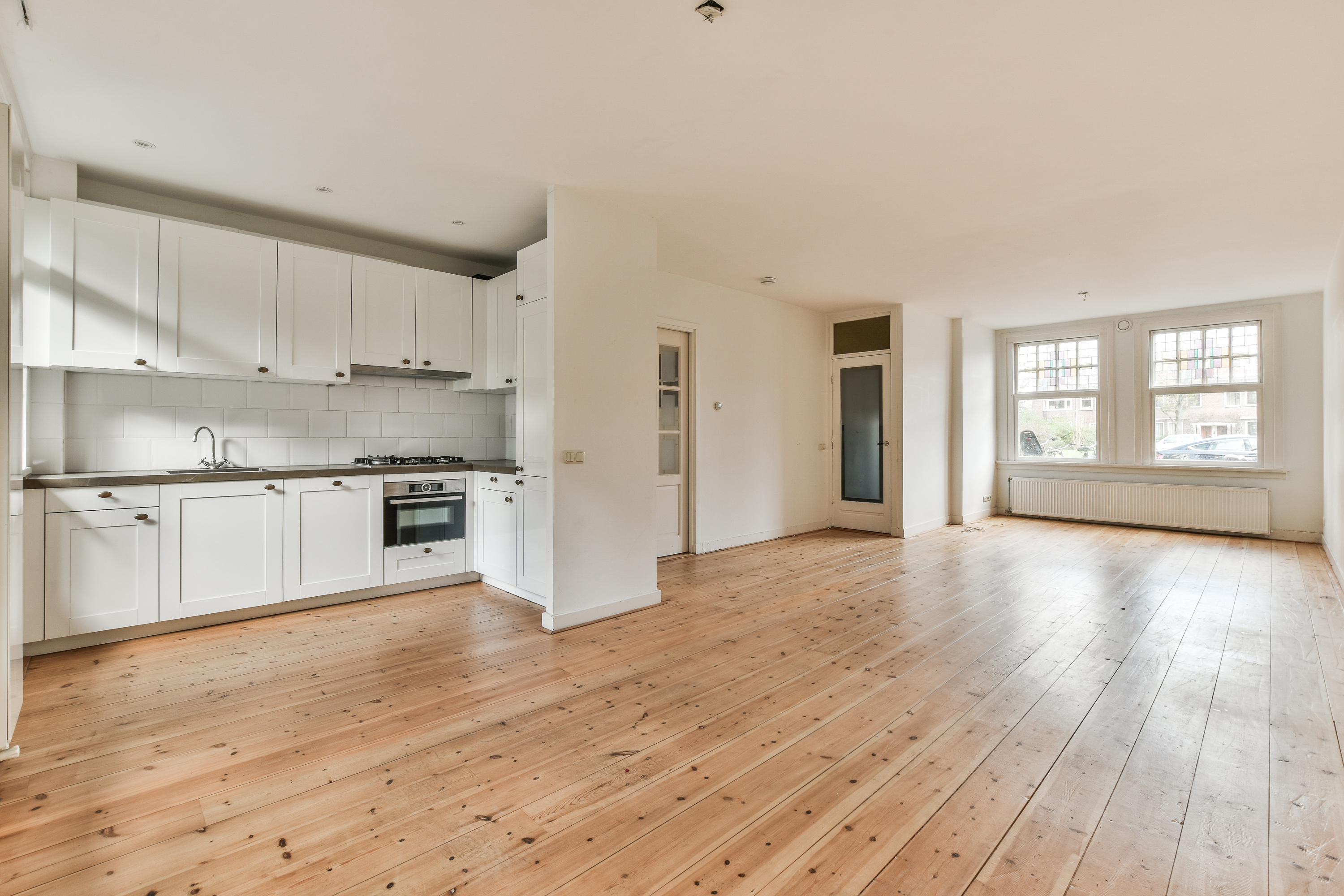
A few years ago, simply owning rental property in a desirable location was often enough to attract tenants. Today, that reality is changing. Across parts of Uganda's property market, landlords are facing increased competition, a growing supply of rental units, and more discerning tenants. Recent market reviews have noted softer occupancy rates in some segments and a market that increasingly favors tenants, giving them more options than ever before.
Yet amid these challenges, some landlords continue to achieve high occupancy rates while others struggle with long vacancies.
What's the difference?
More often than not, it isn't the building itself, it's how the property is managed.Vacancy Is More Expensive Than Most Landlords Realize.When a unit sits empty for months, the cost extends far beyond lost rent.There are utility charges to maintain, security expenses to cover, loan obligations to meet, and property maintenance that continues whether a tenant occupies the unit or not.
A landlord with a vacant apartment for just three months may lose more income than they would spend improving the property's condition or tenant experience.The most successful property owners understand a simple principle: Occupancy is not achieved when a tenant moves in. It is achieved through consistent management long before the tenant begins searching.
Lesson 1: Tenants Compare More Than Location
Location remains important, but it is no longer the only factor influencing rental decisions.
Today's tenants compare:
- Responsiveness of landlords
- Property condition
- Security
- Parking availability
- Ease of communication
- Payment convenience
- Speed of maintenance response
In many cases, tenants choose a property because the experience feels more professional and reliable.
A well-managed property can outperform a newer property with poor management.
Lesson 2: Slow Responses Cost Opportunities
Modern renters expect fast communication.When a prospective tenant calls, sends a WhatsApp message, or fills out an inquiry form, they are often contacting multiple landlords at the same time.The landlord who responds first frequently gets the viewing appointment.The landlord who delays for several days may never hear back from that prospect again. A missed call today can become a vacant unit next month.
Practical Tip
Aim to respond to all rental inquiries within a few hours whenever possible.
Even a simple acknowledgment can keep a prospect engaged.
Lesson 3: Poor Property Presentation Drives Tenants Away
Many landlords invest heavily in construction but very little in presentation.
Before scheduling a viewing, most prospective tenants have already formed an opinion based on:
- Property photos
- Online listings
- Social media posts
- Recommendations from previous tenants
Dark photographs, incomplete descriptions, and outdated listings create negative first impressions.
The most successful landlords market their properties the same way successful businesses market their products.
Practical Tip
Review your property listings every quarter.
Replace outdated photos and ensure all details remain accurate.
Lesson 4: Maintenance Delays Create Silent Vacancies
Many vacancies begin long before a tenant moves out.
- A leaking tap that isn't fixed.
- A broken gate that remains unrepaired.
- Poor lighting around shared areas.
- Slow responses to maintenance issues.
These seemingly small frustrations accumulate over time and eventually convince tenants to leave when their lease expires.
Replacing a tenant is often far more expensive than retaining one.
Practical Tip
Treat maintenance requests as retention opportunities rather than expenses.
Every resolved issue strengthens tenant trust.
Lesson 5: Pricing Must Reflect Market Reality
One of the biggest mistakes landlords make is pricing the rent based on expectations rather than real market conditions and their property conditions.Recent market assessments have highlighted increased competition in some rental segments and growing tenant price sensitivity.
When similar properties nearby offer better value, a landlord might suffer alot more vacancies. If tenants feel that the price you are charging for your rentals is not realistic based on the value they see you offer , then they will leave. We can not forget all the other uncontrollable economic factors happening around us, so focus on handling everything that you can control and give the tenants value for the money you choose to price.
Practical Tip
Review comparable properties in your area at least once per year.
A slightly lower rent with full occupancy often produces better returns than a higher rent with months of vacancy.
Go over your service offerings and make sure you offer a good client experience.
Lesson 6: Happy Tenants Are Your Best Marketing Team
Many landlords focus entirely on finding new tenants while overlooking existing ones.
Satisfied tenants:
- Renew leases
- Recommend friends
- Leave positive reviews
- Reduce turnover costs
Unhappy tenants do the opposite.The easiest tenant to acquire is often the one you already have.
Practical Tip
Conduct periodic check-ins with tenants to understand concerns before they become reasons to leave.
Lesson 7: Landlords Need Better Visibility Into Their Properties
As rental portfolios grow, managing information manually becomes increasingly difficult.
Questions such as:
- Which units are vacant?
- Which tenants are due for renewal?
- Which maintenance issues are outstanding?
- How long has a property remained vacant?
should not require hours of investigation.
Successful landlords increasingly rely on structured systems and real-time information to make better decisions and respond more quickly to market changes so the landlords achieving the highest occupancy levels are often those who have the best visibility into their operations. Verit can help you achieve this with our Property Management software.
The Future Belongs to Proactive Landlords
Uganda's real estate sector continues to evolve, driven by urbanization, changing tenant expectations, digital adoption, and growing competition. Demand remains strong, but tenants have more choices and higher expectations than before.The most successful landlords will not necessarily be those who own the most properties.
It will be those who create the best tenant experiences.In a competitive market, filling units quickly is rarely about luck alone, you have to look at responsiveness, professionalism, maintenance, visibility, and a willingness to adapt to changing expectations.Landlords who embrace these principles will not just fill units faster,they will build stronger property businesses for years to come.
THE END